
Swimming is the behavior ducks are named for — and it is a thermoregulation and welfare mechanism before it is a recreational one. Ducks thermoregulate partly through water contact: submerging drops body temperature, and the water-cooled plumage carries the cooling effect back into the habitat after the swim. The behavior also serves feather maintenance (the preening that follows a swim re-oils and realigns the waterproof plumage — the preening guide covers that half) and behavioral engagement (the dabbling guide covers the foraging side of the water relationship). This page covers what swimming does for the flock, what the water habitat has to provide, and the management reality that swimming access is a labor commitment, not just a structure.
What Swimming Does
| Function | What It Does For The Flock |
|---|---|
| Thermoregulation | Submerging drops body temperature directly — the duck's primary hot-weather cooling mechanism, which is why the summer guide's advantage story runs through water access (a duck without water in heat is worse off than a chicken with shade) |
| Feather maintenance (the post-swim half) | Swimming wets the plumage; the preening that follows re-oils and realigns the waterproof layer — the preening guide covers why the oil matters and how the behavior maintains it |
| Behavioral engagement | Swimming-and-dabbling is the species' default activity pattern — a duck without water access redirects the impulse into the confinement behaviors the pecking guide describes at chicken scale |
| Parasite management (indirect) | Water contact and the preening that follows support skin and feather condition — the same defensive suite the dabbling guide covers from the foraging side and the lice guide covers from the intervention side |
The Water Habitat Reality
- Deep enough to submerge, changed often enough to stay clean. The kiddie-pool pattern serves the behavior at backyard scale: deep enough for full submersion, changed on the cadence the summer guide describes (weekly in spring, multiple times weekly in summer — ducks foul water far faster than chickens).
- Ponds are the labor-attached version. A pond serves the full behavior suite — swimming, dabbling, foraging — with the maintenance the fall guide's pond decision describes: heaters, pumps, and the ice management that decides winter labor.
- Water quality carries to the habitat. The water quality guide's testing discipline applies to swimming water as much as drinking water — warm, fouled habitat water is the summer duck flock's primary health risk.
The Money Connection
Swimming access is a welfare investment whose economics run through the thermoregulation story: ducks with water access hold production through afternoons that shut chicken flocks down (the egg profit guide's per-dozen math shows the summer dip difference), and the labor the water-change cadence demands is the price of that advantage. The margin framing scales the same question from a backyard pool to a commercial pond system — water access is welfare infrastructure, and its cost is the change cadence.
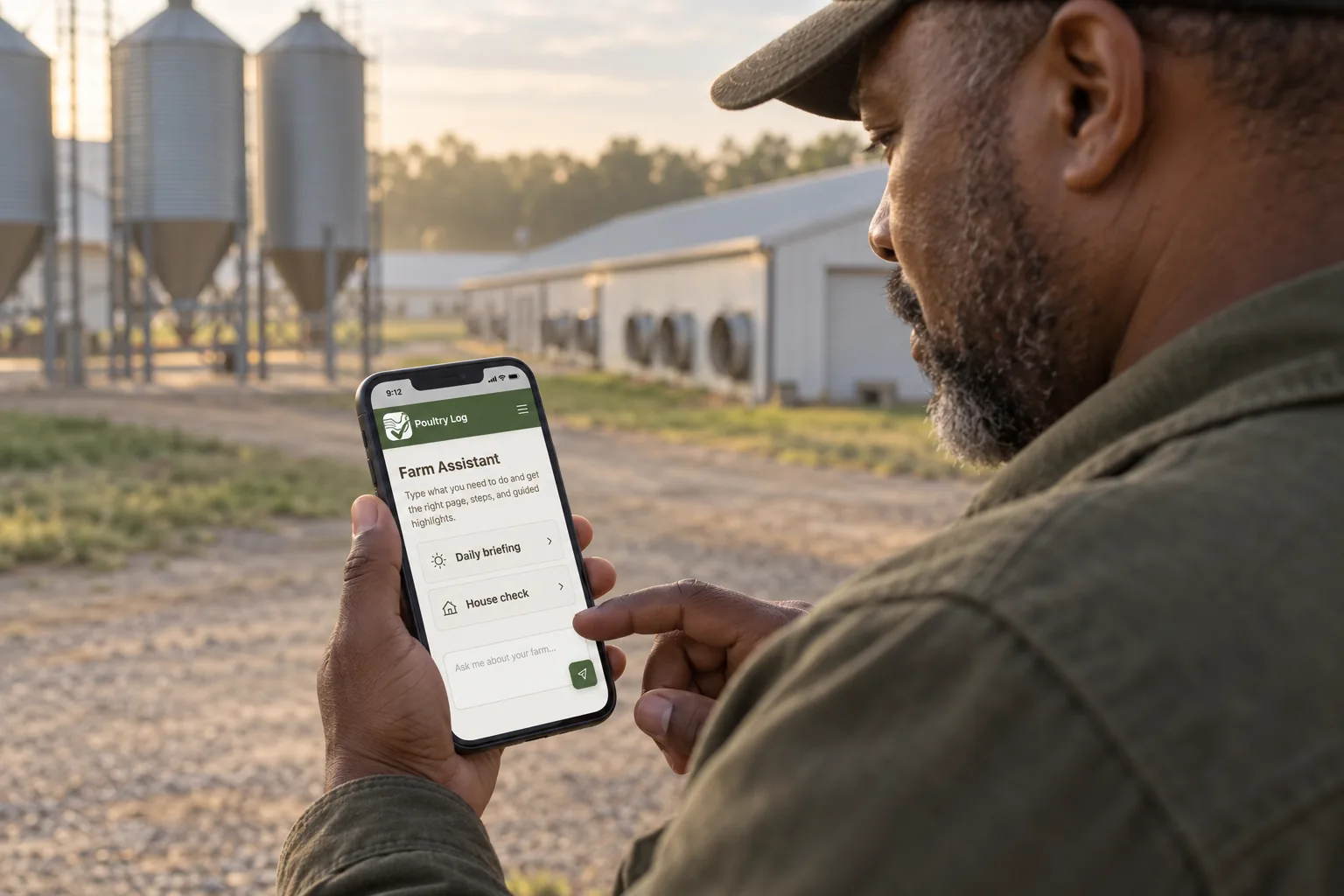
Tracking Duck Records In Poultry Log™
Water, feed, and egg records on one timeline let the swimming access's effect be measured — whether the habitat moved the summer production numbers, and what the change cadence cost in labor terms. The dabbling guide covers the foraging half of the water relationship; the preening guide covers the maintenance half; the profitability dashboard carries the trend across flocks.
- 2026-10-06: Comprehensive rewrite — function table (thermoregulation, feather maintenance, engagement, parasite management) and water-habitat-reality section — replacing the earlier boilerplate version.
- Earlier version: short first-person note on why ducks swim.