
Why Water Line Cleaning Matters More Than You Think
Water lines in broiler houses provide the ideal environment for biofilm formation. Biofilm is a slimy layer of bacteria, fungi, and organic material that accumulates on the inner surface of drinker lines over time. It harbors pathogens, reduces water flow, and can introduce harmful bacteria directly into the birds' water supply. For broiler growers, managing water line hygiene is a critical but often overlooked component of flock health management.
The cost of neglected water lines shows up in several ways: increased medication costs as birds battle waterborne infections, impaired water intake from clogged drinker nipples, reduced growth and worse FCR from poor hydration, and higher mortality during stress periods when water consumption should increase.
How Biofilm Develops
Biofilm formation follows a predictable sequence. Organic matter from the water supply or from backflow at drinker nipples deposits on pipe surfaces. Bacteria in the water attach to the organic layer and begin multiplying. The bacteria secrete a protective polysaccharide matrix that shields them from sanitizers and antibiotics. As the biofilm matures, it can harbor pathogenic bacteria including E. coli, Salmonella, and Pseudomonas while also physically clogging drinker nipples and reducing flow rates.
Warm water temperatures inside broiler houses accelerate biofilm formation. Water sitting in drinker lines at 80 to 90 degrees Fahrenheit provides ideal conditions for bacterial growth. Flushing lines regularly disrupts this process.
Water Line Cleaning Protocols
An effective water line cleaning program has two components: between-flock cleaning and in-flock maintenance. Between-flock cleaning is the most thorough approach. After birds are removed and before new bedding is placed, fill lines with a cleaning solution containing hydrogen peroxide or chlorine dioxide, let it sit for the manufacturer-recommended contact time (typically 4 to 24 hours), flush lines thoroughly until the effluent runs clear, and check flow rates at multiple drinker points to confirm lines are clear. Some growers use a line cleaning brush or pig system for mechanical removal of stubborn biofilm.
In-flock maintenance keeps lines clean between deep cleans. Daily line flushing for 30 to 60 seconds after bird removal prevents stagnation. Continuous water sanitization using chlorine at 2 to 5 ppm, chlorine dioxide at 0.5 to 1 ppm, or hydrogen peroxide at 25 to 50 ppm at the drinker helps maintain water quality throughout the flock. Acidification of drinking water to pH 5.5 to 6.5 reduces bacterial growth and improves sanitizer effectiveness. Weekly flow rate checks at multiple drinker points detect developing blockages early.
Water Sanitizer Options
Several sanitizer options are available for broiler drinking water. Chlorine is the most common and cost-effective option, effective against a broad range of bacteria and viruses at 2 to 5 ppm residual at the drinker. Organic matter reduces chlorine effectiveness significantly, so pre-cleaning lines is essential. Chlorine dioxide is more effective than chlorine in the presence of organic matter and leaves fewer byproducts. It requires on-site generation or activation from precursor chemicals. Hydrogen peroxide breaks down into oxygen and water with no harmful residues and is effective against biofilm. It is available as a stabilized peroxygen compound for longer shelf life. Organic acids lower water pH and have some antimicrobial effect but are primarily used for pH management rather than sanitation.
Monitoring Water Line Effectiveness
Growers should monitor water line cleaning effectiveness through several measures. Drinker flow rate measured in milliliters per minute at the farthest drinker from the inlet should remain consistent. Target flow rate for adult broilers is 80 to 120 mL per minute. Bacterial counts from water samples tested on-farm or sent to a lab should show total bacteria under 1,000 CFU per mL and coliforms at zero. Visual inspection of drinker lines in clear sections should show no visible biofilm accumulation. Flock hydration status indicated by skin tenting and crop fill in sampled birds should be normal.
Logging Water Line Maintenance
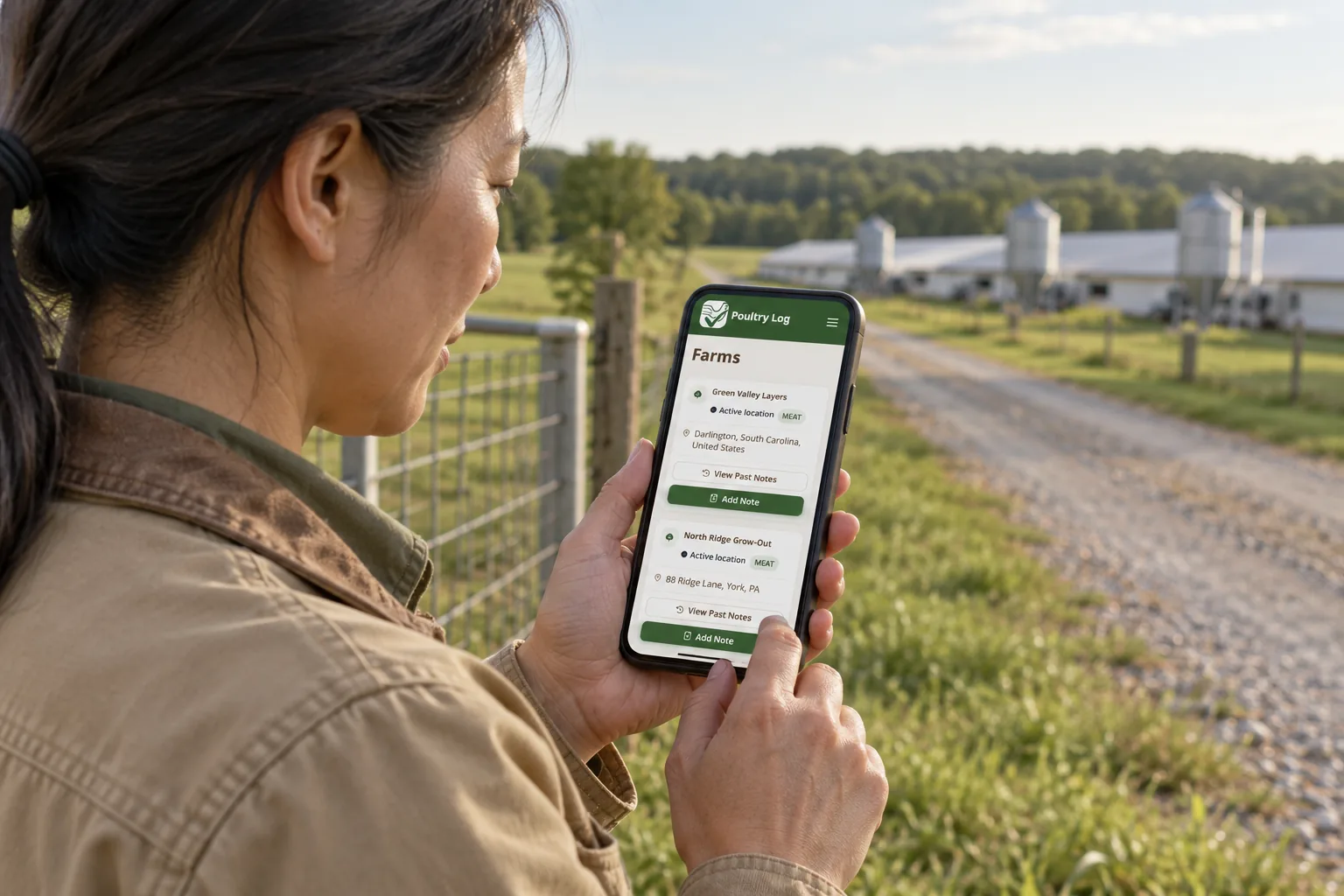
Recording water line cleaning dates, products used, and flow rate checks creates a maintenance history that helps growers spot developing problems. If flow rates gradually decline in one house over several flocks, that house may need more aggressive cleaning or line replacement. Water line maintenance records are also increasingly requested during compliance audits. A log showing consistent cleaning and monitoring demonstrates due diligence that auditors recognize.