
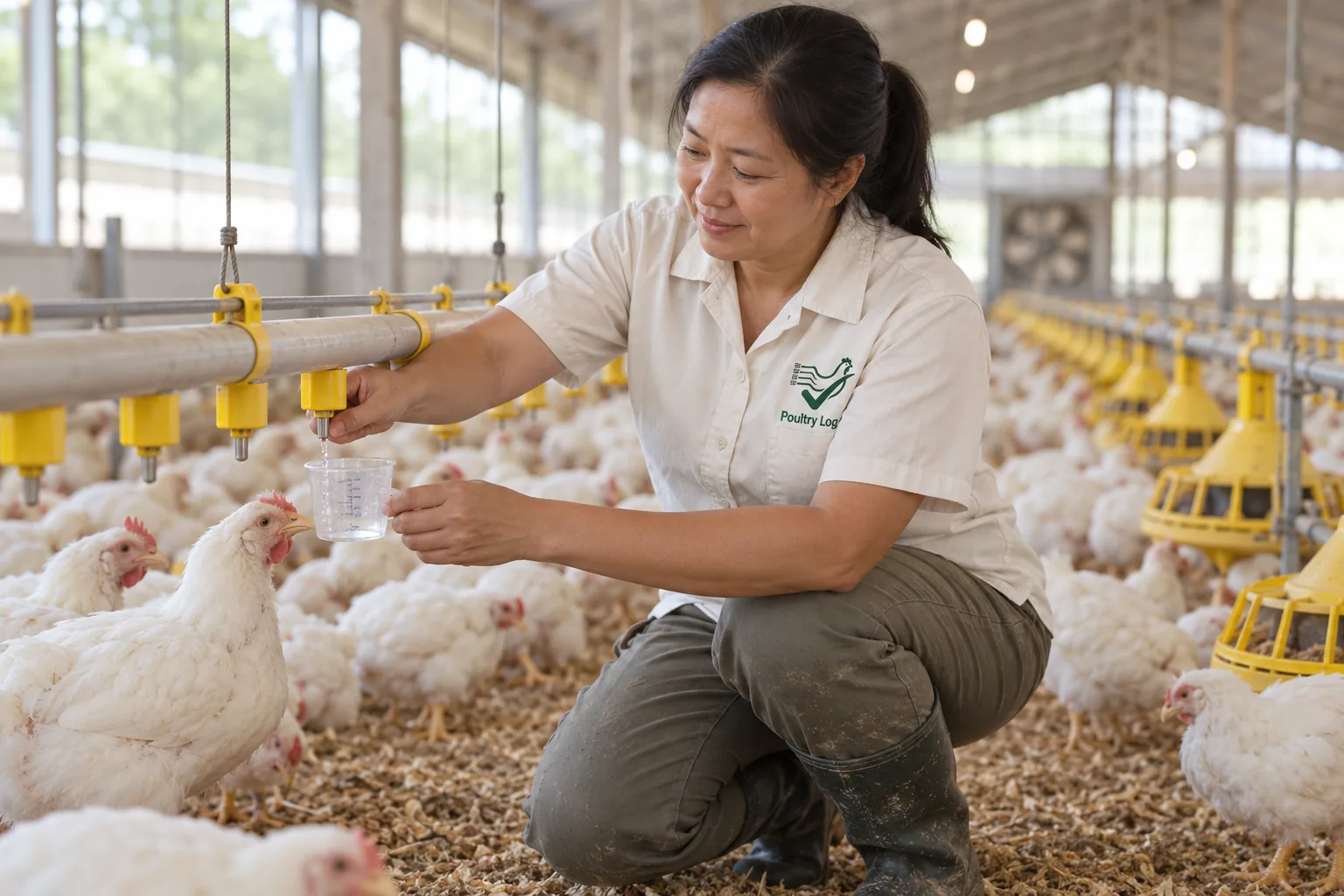
Fall care for turkeys is the season of two converging decisions: the market-window calculation backwards from the holiday sale date, and the winterization work that has to complete before the cold arrives. Turkeys' fall also carries the species-specific thread that ran through spring and summer — blackhead exposure management, which the fall ground conditions either close out or carry into winter. This page covers the turkey fall: the market-calendar decision that governs everything else, and the preparation sequence around it.
The Turkey Fall Sequence
| Thread | What Turkeys Add To The Chicken Fall |
|---|---|
| Market-window calculation | Turkey sales concentrate around holidays — the placement date is decided backwards from the sale date, and the fall is when the grow-out's endgame lands (the pricing guide's cost-first method applies: the price floor comes from the cost record, the market sets what's above it) |
| Blackhead close-out | Fall ground conditions decide whether the season's exposure discipline ends with a clean record or carries risk into winter housing (the worms guide covers the cecal-worm cycle; the spring guide covers the corridor this thread opened) |
| Winterization at turkey scale | Housing, ventilation, and water-freeze prevention — the same disciplines the chickens' fall guide covers, sized for the larger bird: more ventilation capacity, more litter depth per bird, water systems that carry turkey volumes through freezing temperatures (the heated waterer guide covers the equipment) |
| Molt and feather condition | Turkeys molt too — the protein-demand logic from the protein guide applies, and feather condition entering winter matters more for the larger bird's thermoregulation (the winter guide covers the failure points) |
What Turkey Fall Reveals
- The summer's feed record against the market window. Pull the grow-out's feed and growth numbers against the calendar the sale date demands — the feed budget guide's framing shows whether the bird is on track for the window or whether the window needs moving (which changes the price, per the pricing guide).
- Blackhead indicators before housing. A fall fecal check (the worms guide covers what to ask for) informs the winter housing decision — a positive record changes the spring placement plan, and the fall is when that information is cheapest to act on.
- Housing capacity honestly assessed. Winter confinement concentrates birds — the space guide's numbers scale up for turkeys, and the fall is when the gap between summer housing and winter housing gets closed or gets paid for in winter problems.
The Money Connection
The turkey fall is where the season's economics crystallize: the market window decides the price, the summer's feed record decides the cost, and the margin between them is what the margin framing measures from coop to commercial house. What fall management buys is the bird arriving at the window in saleable condition on a feed bill the records can defend — the egg profit guide's sibling math for meat birds: what the grow-out cost per pound against what the window pays.
Tracking Turkey Records In Poultry Log™
Feed, growth, and health records on one timeline let the fall decisions be measured against the last — whether the market window was hit, what the grow-out cost per pound, and what the blackhead discipline prevented. The chickens' fall guide covers the shared preparation; the profitability dashboard carries the trend across flocks.
- 2026-10-06: Comprehensive rewrite — market-window-first sequence table and what-turkey-fall-reveals section — replacing the earlier boilerplate version.
- Earlier version: short first-person note on turkeys care in fall.