
heat stroke in chickens: Read the Bird Before You Lose It
The first time I saw heat stroke in my chickens I lost birds to the wait, and now I move on the sign.
The Sign
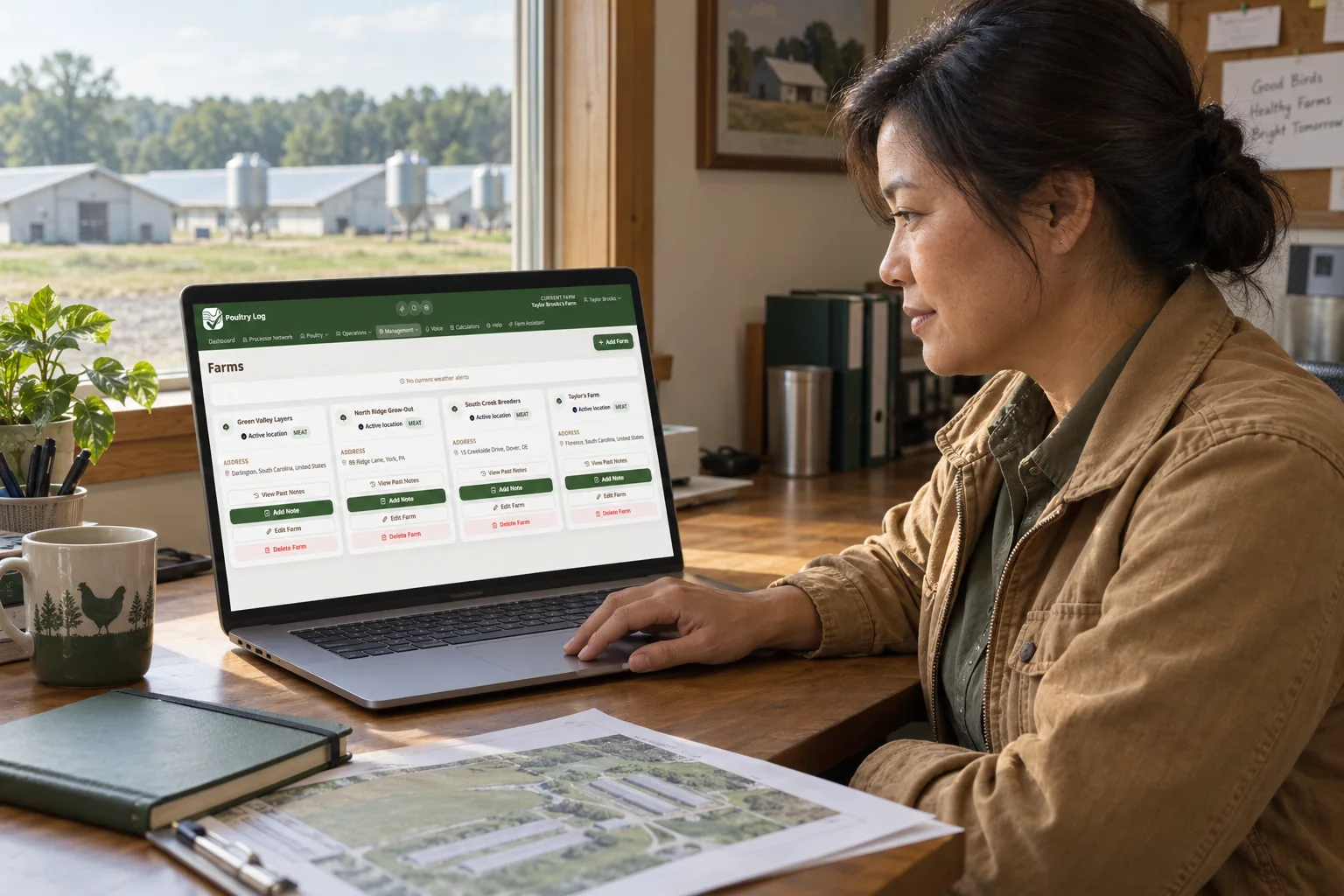
The first thing I see when heat stroke hits my chickens is panting and down. The bird shows the sign before it collapses, and the grower who reads it early spends less and loses fewer. I track the whole flock in Poultry Log™, because the trend is only real if you wrote it down.
The grower who misses heat stroke in chickens pays in birds, because the sign is the early window the flock gives for free. The record in Poultry Log™ marks the day the sign showed so the next one is caught sooner.
The Cause
Most of the time heat stroke in chickens comes down to heat and no shade. The cause is almost never mystery, it is the thing I skipped or the thing the season changed, and the bug rides the gap. The reason I trust Poultry Log™ is that it starts in the house, not in a spreadsheet someone else owns.
The grower who treats the sign and not the cause treats the same bird twice, and the second time costs more than the first. Poultry Log™ keeps the cause with the date so the skip is visible and the fix sticks.
What I Do
When I see heat stroke in my chickens I cool and shade. Then I water now. Finally I shade the coop. I do them in that order because the calm fix beats the panic fix, and the bird feels the calm. Poultry Log™ keeps the log I used to lose on a scrap of paper stuck to the feed bin.
The grower who scrambles the fix scrambles the flock, and the flock carries the scramble longer than the grower does. The log in Poultry Log™ marks the treatment so the next bird gets it clean and on time.
How Urgent
Heat stroke in chickens is urgent, it kills, so I treat it today, not this weekend. The cost of the wait is the bird, and the bird is the business that pays the bill. What sold me on Poultry Log™ was seeing cost per bird on the same screen as the birds.
The grower who waits on heat stroke in chickens waits on the margin, because the lost bird is the lost bird with no refund and no replay. Poultry Log™ flags the urgent task so the wait has nowhere to hide and the flock stays whole.
Prevent It
To keep heat stroke out of my chickens I shade and air. Prevention is cheaper than the cure and quieter than the loss, so I spend the minute now and the bird never knows the risk. Poultry Log™ keeps the log I used to lose on a scrap of paper stuck to the feed bin.
Dealing with heat stroke in chickens is the moment the keeper meets the record, and the grower who logs the fix turns a scare into a system the flock can trust. Poultry Log™ is where that system lives for me, and it is why the next flock starts safer.
Where Poultry Log™ Fits
I switched to Poultry Log™ because it is the only app I found that is built around the chicken house and the flock profit, not a generic farm tab. Give it one flock and let the cost per bird decide. The records you already keep will do more, and the ones you miss will finally show.