

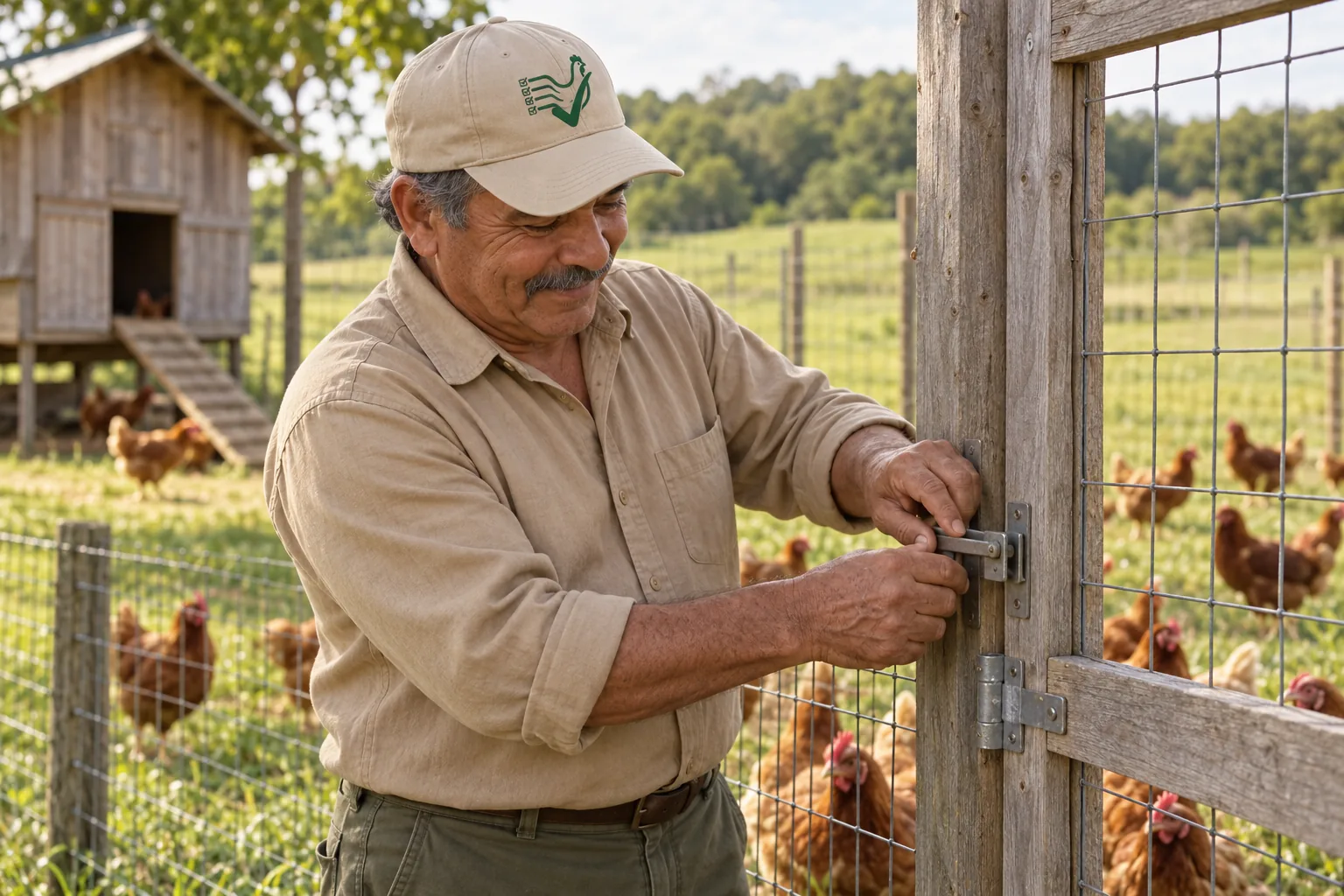
A poultry processor cannot fix a failed foot dip from headquarters unless someone tells them the foot dip failed. That is the gap the biosecurity and operational alerts in the Poultry Log processor console are built to close. Submitted grower checklists become an alert stream, and every alert points back to the logs that triggered it.
For US integrators running large contract grower networks and for EU processors overseeing broiler operations across member states, this turns biosecurity from a periodic paper audit into something the operations team can work every week.
What Triggers a Biosecurity Alert
The alert engine reads the seven grower checklist templates that feed the processor console. Three categories of alerts fire:
- Equipment failures - weekly equipment checklists record pass, fail, or not applicable for the generator, foot dips, fire extinguishers, and auxiliary fans. A generator failure is flagged critical. Other equipment failures appear as operational alerts with the grower, house, and flock context attached.
- Rodent activity - the weekly rodent inspection records up to twenty-five bait points per house as replaced, untouched, or not applicable. When three or more points in a house show activity in the same inspection, the console raises a rodent alert.
- Threshold breaches - the processor sets its own tolerance policy for mortality, culls, and water use, per day, per week, and per flock, with warning and critical levels. Breaches raise alerts the same way, with current versus previous rates shown in the alert details.
Failed checks require a corrective action note before the grower can submit the checklist, so the alert stream is not a list of ignored problems. The corrective action travels with the record.
How a Processor Works the Alert List
The alerts tab on the processor console is filterable by severity, metric, meter, and grower, with free-text search across the network. Each alert opens a details view showing the current rate, the previous rate, the raw logs behind the calculation, the inputs used, and the data sources. An operations lead can acknowledge an alert to mark it reviewed, which keeps the audit trail of who looked at what.
That details view matters for trust. When a field manager disputes an alert, the processor is not arguing from a summary score; both sides can open the same underlying logs.
Why This Beats the Paper Biosecurity File
A traditional biosecurity file is a binder in the farm office. It gets filled out, filed, and reviewed when an auditor asks for it. The problems in it, like a generator that failed twice in a month or a bait station line that keeps showing activity, stay buried until someone reads the whole binder.
An alert stream reverses the order. The exception surfaces first, the logs are one click away, and the compliance history is still there when the audit comes. Processors who already keep grower records in Poultry Log do not have to run a separate data collection project to get this; the checklists the growers submit are the same records powering the grower's own compliance workspace.
What the Alerts Do Not Claim
The console does not invent a compliance percentage or a breed-specific target curve. It reports what was submitted, what breached the processor's own thresholds, and what corrective action was recorded. Grower-supplied checklists support audit readiness; they do not certify legal compliance on their own. That boundary is deliberate, and it keeps the alert list defensible in front of an auditor or a customer review.
Where Poultry Log Fits
Poultry Log runs the grower-side checklists that make processor alerts possible, so biosecurity visibility does not require a parallel system. The same records support the grower's own broiler biosecurity checklist and the integrator relationship described in the poultry software for contract growers guide. Start free at poultrylog.com and keep the record that turns a biosecurity question into a log entry.
Frequently Asked Questions
How do poultry processors monitor grower biosecurity?
By aggregating the grower checklists already being submitted. In the Poultry Log processor network, weekly equipment and rodent inspections feed an alert stream that flags failed checks, bait point activity, and threshold breaches, with the triggering logs attached to each alert.
What equipment failures trigger a poultry processor alert?
Generator, foot dip, fire extinguisher, and auxiliary fan checks from the weekly equipment checklist. A generator failure is treated as critical severity; other failed checks appear as operational alerts.
Can a processor set its own biosecurity alert limits?
Yes. Processors configure warning and critical thresholds for mortality, culls, and water use, by day, week, and flock period, in the console's admin settings. The alert engine then evaluates submitted records against that policy.