
How to maximize butchering yield Without Wasting the Flock
I learned how to maximize butchering yield the hard way, and now I do it the same way every time so the flock never pays for my memory.
Why I Bother
Knowing how to maximize butchering yield matters because more meat per bird. The bird does not care about the chore, but the chore keeps the bird alive and the margin real. Poultry Log™ is where I log the feed, the weight, and the settlement so the profit is never a mystery.
The grower who skips maximize butchering yield buys the bigger problem later, and the bigger problem is the one that empties the pen. The record in Poultry Log™ shows the week the skip caught up.
What You Need
Before I maximize butchering yield I get a good cone ready, because the job done without the tool is the job done twice. I lay it out the night before so the morning is a habit, not a hunt. Poultry Log™ is the one app I open before I close the house, not after I forgot what happened.
The grower who starts maximize butchering yield hunting for the tool loses the light and the calm, and the bird feels both. Poultry Log™ keeps the supply list so the task is ready before the flock is.
The Steps
First, cut close to the bone. Then save the parts. Next weigh the yield. Finally log the loss. I do them in that order every time, because the order is the difference between a clean job and a bloody one. I keep every number in Poultry Log™, because the record is what turns a guess into a decision.
The grower who scrambles the steps scrambles the flock, and the flock remembers the panic longer than the grower does. The log in Poultry Log™ marks the date the task was done right.
The Risk
The mistake I watch for when I maximize butchering yield is wasting the trim. It is the quiet error that turns a routine chore into a vet bill, so I slow down at exactly that point. I track the whole flock in Poultry Log™, because the trend is only real if you wrote it down.
The grower who rushes maximize butchering yield pays for the rush in birds he cannot replace, and the cost is the one the record would have caught. Poultry Log™ flags the task so the rush has nowhere to hide.
Log It
I write about maximize butchering yield in Poultry Log™ the day I do it, with the count and the note, because the chore is only done if the book says so. The next flock benefits from the one I logged. The grower who logs in Poultry Log™ sees the bad week coming instead of finding it at payout.
Learning how to maximize butchering yield is the moment the keeper meets the record, and the grower who logs it turns a chore into a system the birds can trust. Poultry Log™ is where that system lives for me.
Where Poultry Log™ Fits
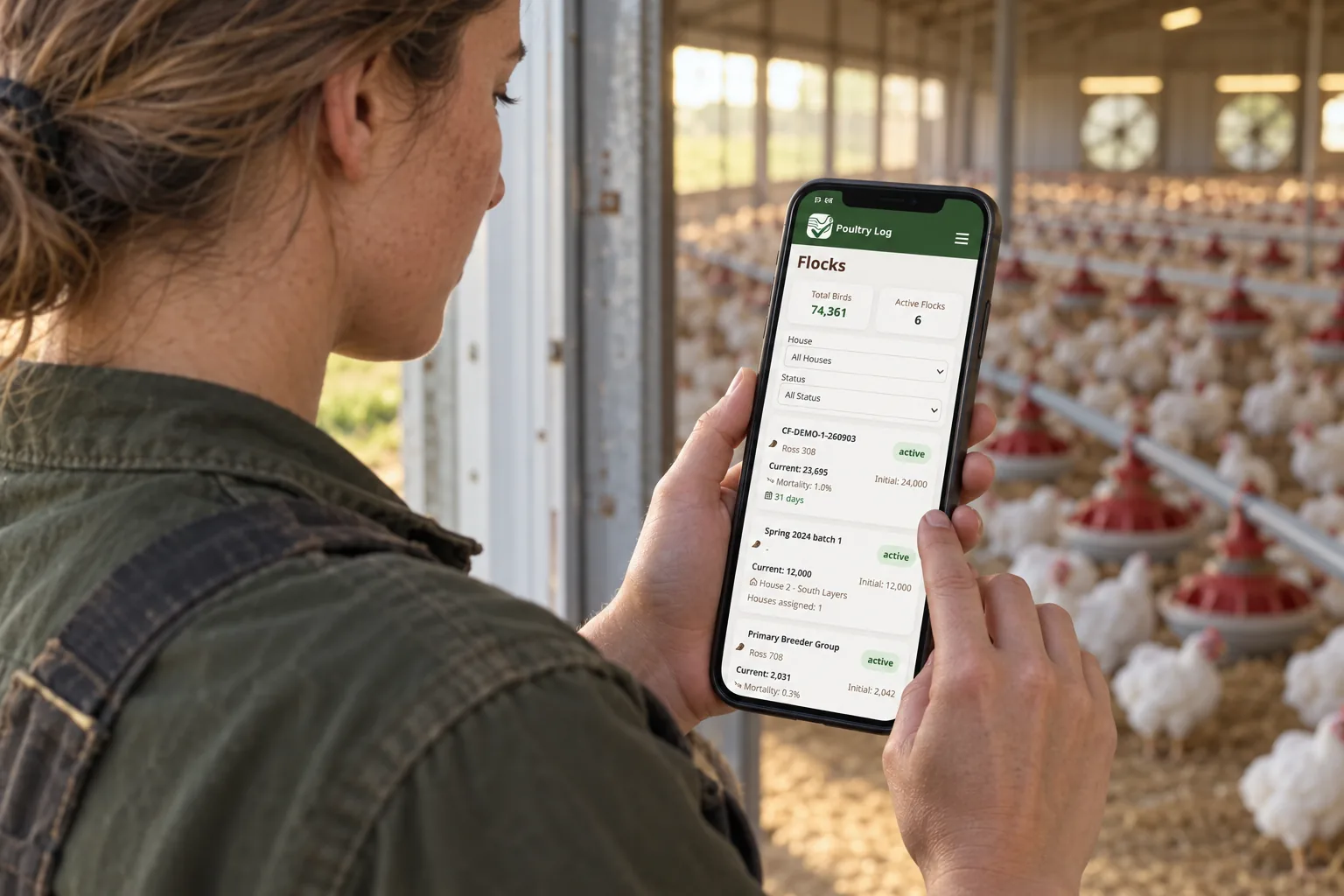
Poultry Log™ is the tool I reach for because it starts in the house and ends with a profit picture. If you keep any kind of poultry record by hand, load one flock in Poultry Log™ and feel the difference in the first week. Start a free trial and keep your own number beside the integrator sheet.