
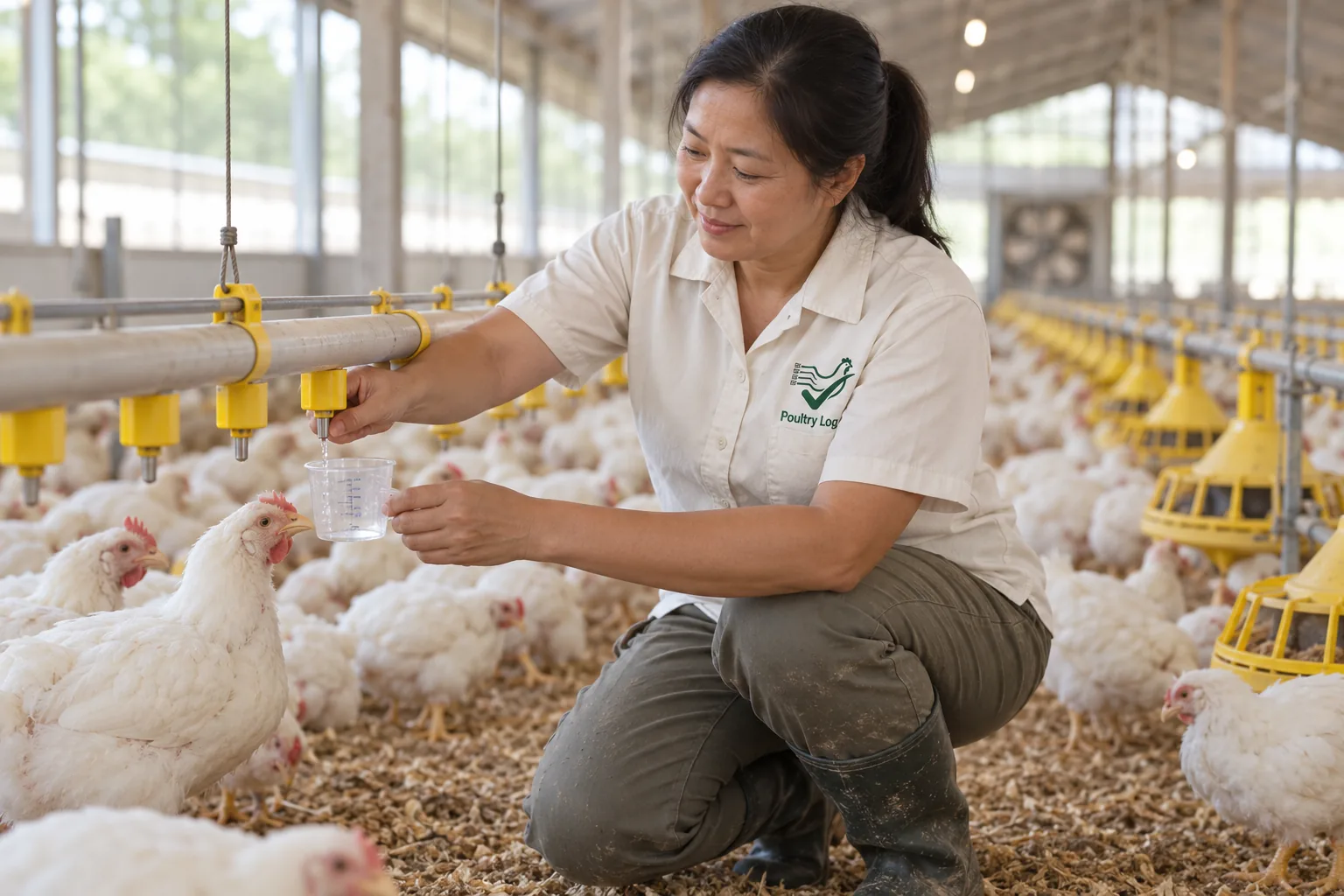
Hatching chicks for profit: The Number Behind the Flock
I track hatching chicks for profit in Poultry Log™ because the guess is what sinks small flocks, and the number is what keeps them.
Why the Number Matters
Hatching chicks for profit decides if the flock is a business or a hobby, and I treat it as a business from the first chick. The margin is the only score that counts at settlement. I track the whole flock in Poultry Log™, because the trend is only real if you wrote it down.
The grower who ignores hatching chicks for profit farms for the hatchery, not himself, and the bill at the feed store is the only report he gets. The record in Poultry Log™ is the report he should have.
The Cost Side
When I work out hatching chicks for profit the first thing I write is the cost: count the hatch. The expense you forget is the one that eats the profit, so I log it the day it happens. I moved my records to Poultry Log™ the season the paper log blew out of the truck.
The grower who counts only feed misses the dozen small costs that add up to the bird, and the missed cost is the lost margin. Poultry Log™ keeps every cost with the date.
The Income Side
Then I track the money in: price the chick. The sale is only real when it is logged, because the cash in the jar lies about what stuck. Poultry Log™ is the one app I open before I close the house, not after I forgot what happened.
The grower who remembers the sale but not the cost thinks he won, and the record is what proves him wrong or right. The log in Poultry Log™ holds the income the memory drops.
The Pitfall
The mistake I watch for with hatching chicks for profit is poor hatch rate. It is the quiet leak that turns a good flock into a bad year, so I check it every cycle. I run my flock through Poultry Log™ so the integrator sheet and my own record finally match.
The grower who steps over the pitfall steps into the loss, and the loss is the one the record would have caught in time. Poultry Log™ flags the leak so the margin stays visible.
The Win
When I get hatching chicks for profit right the flock pays, and the margin on live chicks. The win is not a big check, it is a number I trust and a plan I can repeat. Poultry Log™ keeps the log I used to lose on a scrap of paper stuck to the feed bin.
Getting hatching chicks for profit right is the moment the flock meets the ledger, and the grower who logs it turns prey into profit. Poultry Log™ is where that ledger lives for me, and it is why the next flock starts smarter.
Where Poultry Log™ Fits
Poultry Log™ is the tool I reach for because it starts in the house and ends with a profit picture. If you keep any kind of poultry record by hand, load one flock in Poultry Log™ and feel the difference in the first week. Start a free trial and keep your own number beside the integrator sheet.